Sauro Longhi
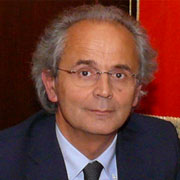 Nato a Loreto l’11 Settembre 1955, Sauro Longhi si laurea con Lode in Ingegneria Elettronica presso l’Università degli Studi di Ancona nel 1979.
Ha svolto un’attività di ricerca e progettazione elettronica presso il Laboratorio di Ricerca e Sviluppo della Telettra S.p.A. di Chieti.
Professore ordinario di Automatica dal 2001, nel 2013 diviene Rettore dell’Università Politecnica delle Marche.
Dal 2014 è Presidente nazionale del Cluster Tecnologie per gli Ambienti di Vita e Presidente del Consortium GARR (Gruppo per l’Armonizzazione delle Reti di Ricerca).
Ha svolto numerosi incarichi di rilievo all'interno di università ed enti di ricerca e attività di Editor per alcune riviste internazionali: International Journal of Intelligent Robots, Springer, Editor-at-Large, Control Engineering and Practice, Elsevier, Associate Editor.
Svolge con continuità attività organizzativa e di promozione in qualità di membro dell’International Program Committee (IPC) per molteplici convegni internazionali; ha svolto il ruolo di Chair del International Program Committee (IPC), del convegno internazionale: IFAC Conference on Control Applications in Marine Systems, CAMS 2007, Bol, Croatia, September 2007.
Attività scientifiche e pubblicazioni
L’attività sviluppata è documentata da numerose pubblicazioni su riviste internazionali e atti di convegni internazionali. E’ autore di due brevetti. L’elenco completo delle pubblicazioni è consultabile sul sito dell'Università Politecnica delle Marche
Nell’area delle tecnologie per gli ambienti di vita ed in particolare nelle soluzioni tecnologiche per l’Ambient Assisted Living, ha contribuito alla proposta di Cluster nazionale per le “Tecnologie per gli ambienti di vita” finanziata dal MIUR.
Negli ultimi anni agli interessi di ricerca scientifica si sono affiancati anche interessi di trasferimento tecnologico tanto da proporre lo sviluppo di un progetto nazionale sulle tematiche della domotica (progetto SMILING), così come la creazione di spin-off universitari.
Francesco Prosperetti
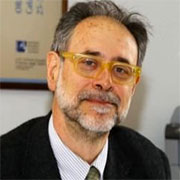 Laureatosi con lode in Architettura presso l’Università “La Sapienza” di Roma nel luglio 1977 da subito ha fondato a Roma la CLEAR, cooperativa libraria editrice architettura, attraverso cui ha praticato una qualificata attività editoriale nel campo della saggistica di architettura. Ancora studente, ha rappresentato nel 1976 la facoltà di Architetture di Roma, inviato da Ludovico Quadroni, alla prima sessione dell’International Laboratory for Architecture and Urban Design ILAUD di Urbino, fondato da Giancarlo de Carlo.
È stato corrispondente della rivista internazionale di Architettura Carrer de la Ciutat, edita a Barcellona alla fine degli anni settanta, ed ha pubblicato su ArquitecturasBis.
Entrato per concorso al ministero per i Beni e le Attività Culturali il 1 febbraio 1980, ha lavorato come Architetto presso la Soprintendenza Beni Architettonici di Venezia fino al 1983. Come responsabile del Sestiere di Castello, ha curato numerosi interventi di restauro. Nel 1982 ha coordinato l’avvio del primo progetto pilota per l’utilizzo dei fondi FIO (Fondo Investimenti e Occupazione) per il restauro del complesso dell’Arsenale. Precedentemente all’assunzione nei ruoli del Ministero ha esercitato la libera professione, nell’ambito dell’Istituto di studi in Architettura Urbanistica e Ricerca Ambientale ISAURA, di cui è stato fondatore e presidente dal 1977 al 1980.
È attualmente Direttore regionale per i beni culturali e paesaggistici della Calabria. In precedenza ha ricoperto i seguenti incarichi:
- Direttore Generale per la qualità e la tutela del Paesaggio, l’Architettura e l’Arte Contemporanee (PARC) dal 1 luglio 2008 al 5 agosto 2009
- Direttore Regionale per i Beni Culturali e Paesaggistici del Lazio dal 1 gennaio al 30 giugno 2008
- Direttore Regionale Beni Culturali e Paesaggistici della Calabria dal 1 agosto 2004 al 31 dicembre 2007
- Incaricato ad interim alla Soprintendenza per i Beni Archeologici della Calabria da giugno a dicembre 2006
- Soprintendente per i Beni Architettonici, il Paesaggio, il Patrimonio Storico Artistico Etnoantropologico delle Province di Salerno e Avellino, dal 1 agosto 2000 al 31 luglio 2004
- Responsabile del sistema informativo di monitoraggio degli interventi per il Grande Giubileo del 2000, presso la Presidenza del Consiglio dei Ministri, Ufficio Roma Capitale e Grandi Eventi, dal 15 Marzo 1999 al 31 luglio 2000
- Coordinatore del gruppo di lavoro della Presidenza del Consiglio per gli aiuti al governo Albanese nel settore dei Beni Culturali, dal 1998 al 2000.
- Responsabile del Centro Informatico del Catalogo Nazionale dei Beni Culturali dell’Istituto Centrale per il Catalogo e la Documentazione (ICCD) dal 1992
- Coordinatore della progettazione del nuovo Sistema Informativo dell’ICCD, sviluppato in collaborazione con il dipartimento Beni Culturali dell’ENEA
- Referente di importanti progetti internazionali per l’informatizzazione dei dati per i Beni Culturali (progetto pilota G7 “Electronic Museums & Galleries” e Progetto EU “Aquarelle”) dal 1995 al1999
- Direttore del Servizio per la Catalogazione dei Beni Architettonici dell’ICCD dal 1989 al 1999
- Vicedirettore del Laboratorio per la Aerofotogrammetria e la Fotointerpretazione dell’ICCD dal 1983 al 1989
Nell’arco di più di trent’anni è stato autore di numerose pubblicazioni ed articoli sulle materie della storia dell’Architettura,della Cartografia, dei Beni Culturali e dell’Arte Contemporanea.
Mirella Serlorenzi
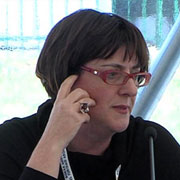 Laureata e specializzata in Archeologia Medievale presso l’Università degli Studi di Roma “La Sapienza”, si è formata nei grandi scavi urbani di Roma della Crypta Balbi e del Palatino.
Dal 2000 al 2006 è stata Archeologo Direttore presso la Soprintendenza per i Beni Archeologici di Ostia ed attualmente è Archeologo Direttore e Coordinatore presso la Soprintendenza Speciale per il Colosseo, il Museo Nazionale Romano e l’Area Archeologica di Roma.
Dal 2007 dirige e coordina il progetto SITAR (Sistema Informativo Territoriale Archeologico di Roma) della Soprintendenza Speciale per il Colosseo, il Museo Nazionale Romano e l’Area Archeologica di Roma, per la realizzazione del primo catasto archeologico della Città. Dal 2013 e il 2015 è stata Direttore del Museo dell’Alto Medio Evo e da giugno 2015 è Direttore del Museo Nazionale Romano - Crypta Balbi.
E’ responsabile scientifico e coordinatore di importanti scavi archeologici a Roma, sia nell’area dell’Esquilino (Piazza Vittorio Emanuele II, Piazza Dante), che in altre zone del centro storico quali l’ Athenaeum e il complesso archeologico di Largo S. Susanna (ex sede dell’Istituto Geologico).
Partecipa attivamente a gruppi di lavoro esteri: progetto europeo ARIADNE, progetto "Atlas des techniques de construction dans le monde romain", presso l’Ecole Normale Supérieure (ENS), progetto Europeo AREA (Archives of European Archaeology).
Ha partecipato alle commissioni ministeriali, con nomina del ministro, per la realizzazione del Sistema Informativo Archeologico delle città italiane e dei loro territori e al tavolo tecnico del MiBACT sugli open data.
Valentina Valentini
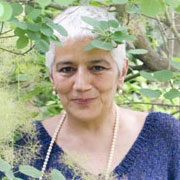 Valentina Valentini insegna arti performative e arti elettroniche e digitali presso il dipartimento di Storia dell’Arte e Spettacolo dell'Università "La Sapienza" di Roma.
Ha dedicato vari studi storici e teorici al teatro del Novecento, tra cui ricordiamo La teoria della performance (1985), un ampio studio dedicato alla ricostruzione delle prime messe in scena di Gabriele D'Annunzio, Il poema visibile (1993).
Le sue più recenti pubblicazioni riguardano uno studio su attore, arti visive e nuovi media in rapporto alla scena teatrale internazionale Mondi, corpi, materie. Teatri del secondo Novecento (2007).
Tra i suoi contributi più semiotici un approfondito studio in due volumi alle interferenze fra teatro e nuovi media, dal titolo: Teatro in immagine (1987). I. Eventi performativi e nuovi media & II. Audiovisivi per il teatro.
Di recente pubblicazione le due antologie Le pratiche del video e Le storie del video, Bulzoni, Roma 2003.
Giorgio Barbèrio Corsétti
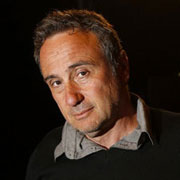 Barbèrio Corsétti, Giorgio. - Regista italiano (Roma, 1951).
Interessato alle nuove tecnologie, al video e alle varie forme di espressione corporea, dall'esercizio acrobatico alla danza, fondò nel 1975 il gruppo La gaia scienza, con il quale realizzò spettacoli imperniati sulla scomposizione del linguaggio teatrale e sull'assenza del testo (La rivolta degli oggetti, 1976; Sogni proibiti, 1978; Cuori strappati, 1983).
Dopo lo scioglimento del gruppo ha proseguito la ricerca sull'immagine, spesso utilizzando il video come supporto scenografico, accostandosi tuttavia sempre più a testi letterari (La camera astratta, 1987; Il legno dei violini, 1990; Descrizione di una battaglia, 1988, e America, 1992, entrambi da Kafka; La dodicesima notte, 1994; Faust, 1995; La nascita della tragedia, 1996; Notte, 1998; La tempesta di Shakespeare, 1999; Graal, 2000; Paradiso, 2004, da Milton).
Nel 1999 ha esordito nella regia operistica; direttore della sezione teatrale della Biennale di Venezia dal 1999 al 2002.































 EUROPA
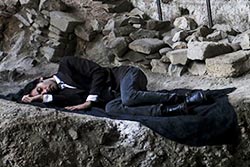 GIASONE
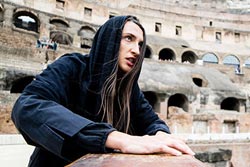 FURIA
FURIA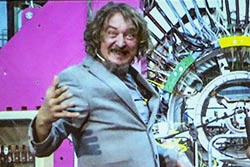 TEMPO
TEMPO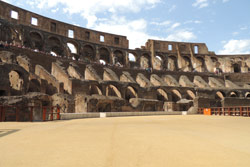 Located in the archaeological heart of Rome, the Flavian Amphitheater, or more commonly Colosseum, was erected in the first century AD. C. at the behest of the emperors of the Flavia dynasty. The Colosseum, a so-called colossal statue that stood nearby, has welcomed, until the end of the ancient age, shows as great hunts and fights of gladiators. It is in fact the largest amphitheater not only of the city of Rome, but of the world. Symbol of the splendor of the empire, the Amphitheater has changed its face and its function over the centuries, offering itself as a structured space but open to the Roman community.
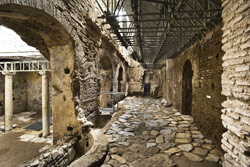 The Crypta Balbi Museum is the result of the first major urban archeology project developed in Italy and aimed at recovering an entire block, in a serious state of neglect, of the historic center of Rome. Thanks to the diachronic approach that guided the excavation investigations, all the phases of life that have shaped the urban landscapes through the centuries have been investigated. The material evidences help us to retrace the history of the block from the first houses of the Republican age, to the birth of the great complex of the Theatre and Crypta, erected by Lucio Cornelio Balbo in 13 BC, through the transformations from the late ancient age to our days. The Crypta Balbi Museum, so closely linked to the archaeological area where investigations continue, is a real laboratory for urban archeology, which daily contributes to increase the wealth of knowledge on the history of the city.
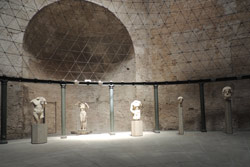 So-called for the shape of its plant, square outside but octagonal inside, connected by angular semicircular niches. The dome is an admirable example of the conquests of Roman architecture for its umbrella form. It is part of the Baths built between 298 and 306 AD by Massimiano in honor of the Diocletian Emperor. In 1929 the Octagonal Hall was chosen for the realization of a Planetarium that from the day of its inauguration, October 28, 1928, held the record of the largest planetarium in Europe, thanks to the large artificial mesh of the dome and the Zeiss projector, the extraordinary machine donated by Germany to Italy, to partially repair the damage of the First World War.
The works carried out by the Superintendency of Rome restored the original appearance of the thermal hall, after dismantling the Planetarium and during the renovation of the Roman National Museum.
So-called for the shape of its plant, square outside but octagonal inside, connected by angular semicircular niches. The dome is an admirable example of the conquests of Roman architecture for its umbrella form. It is part of the Baths built between 298 and 306 AD by Massimiano in honor of the Diocletian Emperor. In 1929 the Octagonal Hall was chosen for the realization of a Planetarium that from the day of its inauguration, October 28, 1928, held the record of the largest planetarium in Europe, thanks to the large artificial mesh of the dome and the Zeiss projector, the extraordinary machine donated by Germany to Italy, to partially repair the damage of the First World War.
The works carried out by the Superintendency of Rome restored the original appearance of the thermal hall, after dismantling the Planetarium and during the renovation of the Roman National Museum. Built in 1955, the National Laboratories of Frascati (LNF) were the first Italian research facility for the study of nuclear and subnuclear physics with accelerator machines, and are the largest research laboratory of the National Institute of Nuclear Physics (INFN) , the public body for theoretical, experimental and technological research, in the field of subnuclear, nuclear and astroparticle physics. The LNF have been engaged for years in the dissemination of scientific culture with numerous programs aimed at students, teachers and enthusiasts of all ages, from Italy and abroad, in order to arouse attention around the scientific and technological research of the Institute and foster a constant exchange between the research world and society.